CAT’S PARADISE
Love Living With Your Cats
Get everything you need to know about your cat’s health, lifestyle, grooming, and more
Featured Category
From cat breeds to cat foods, toys, grooming, and helpful cat care tips and advice—we got you covered!


All About Cat
We love cats, and we know that you do too. All about cats is a blog made for cat lovers all over the world. This blog is dedicated to bringing you the very best in cat care resources.
Review Post
Ensure a better life and health for your feline friends with all this helpful information and easy-to-follow guidelines.

There are a few reasons your dog might try to hump your cat. Maybe your dog is feeling playful…
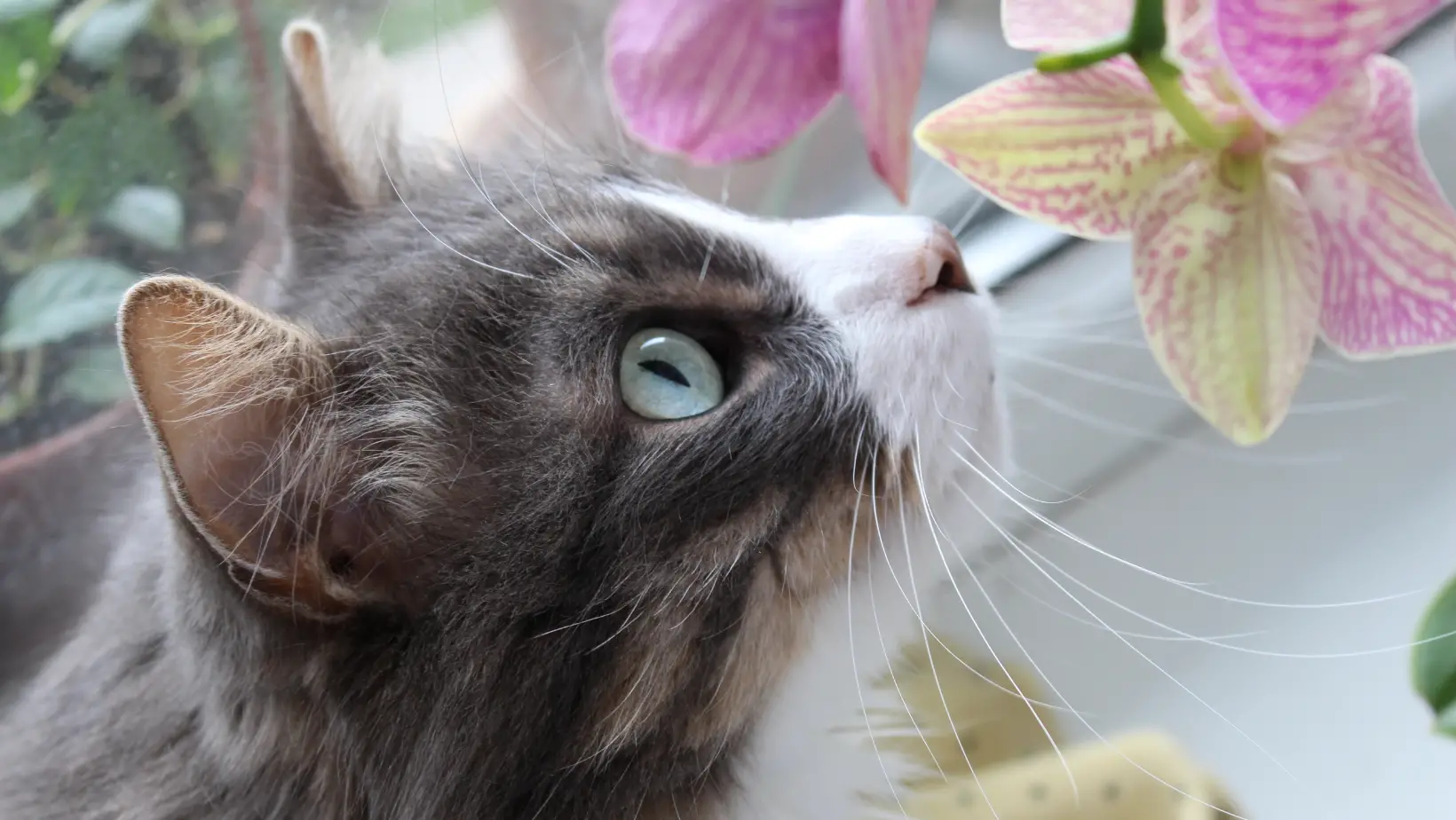
If you’re a cat lover like me, then you know how important it is to keep your feline friend…
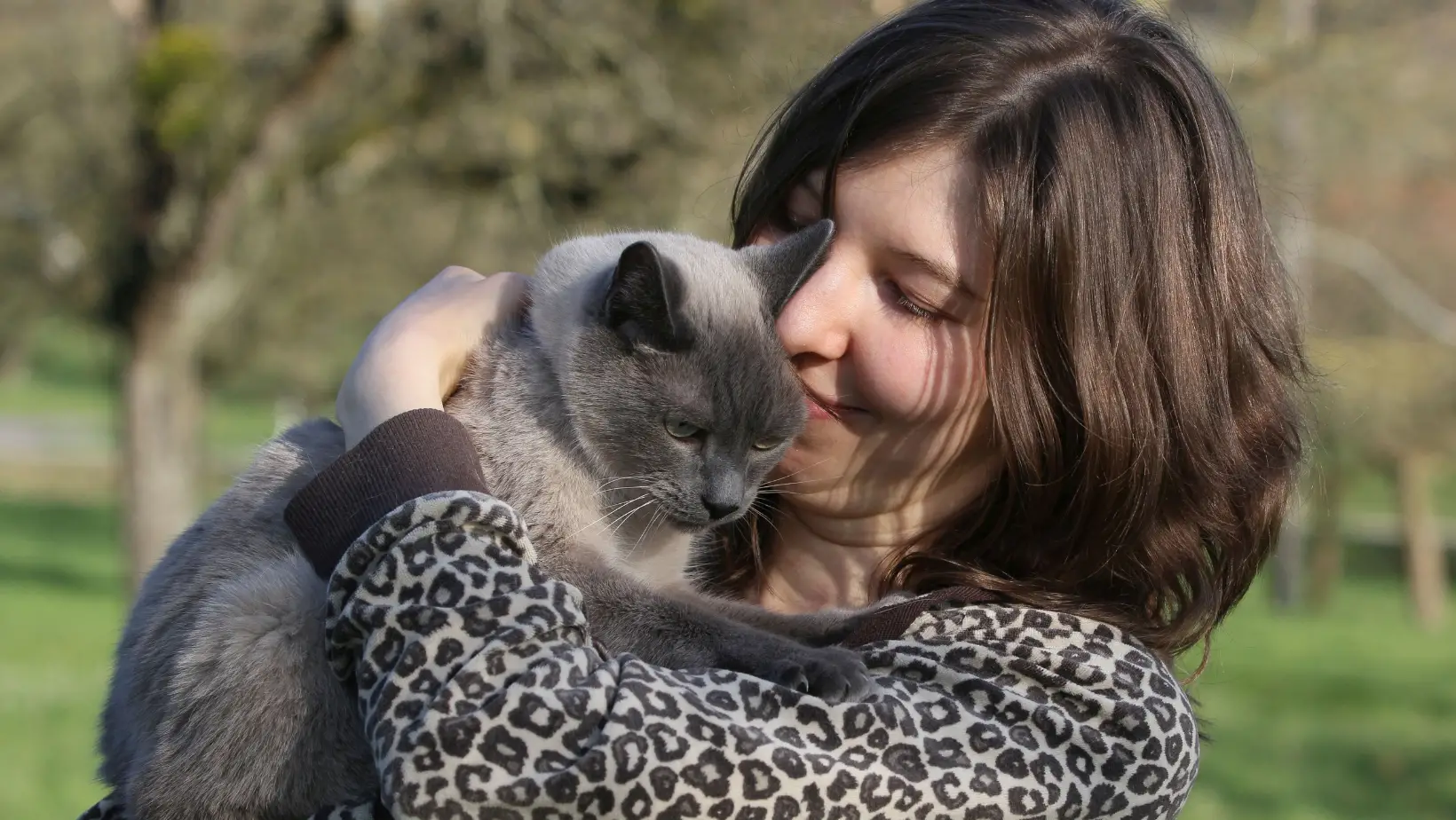
There are a few reasons why your cat’s head might smell good. For one, they groom themselves often and…
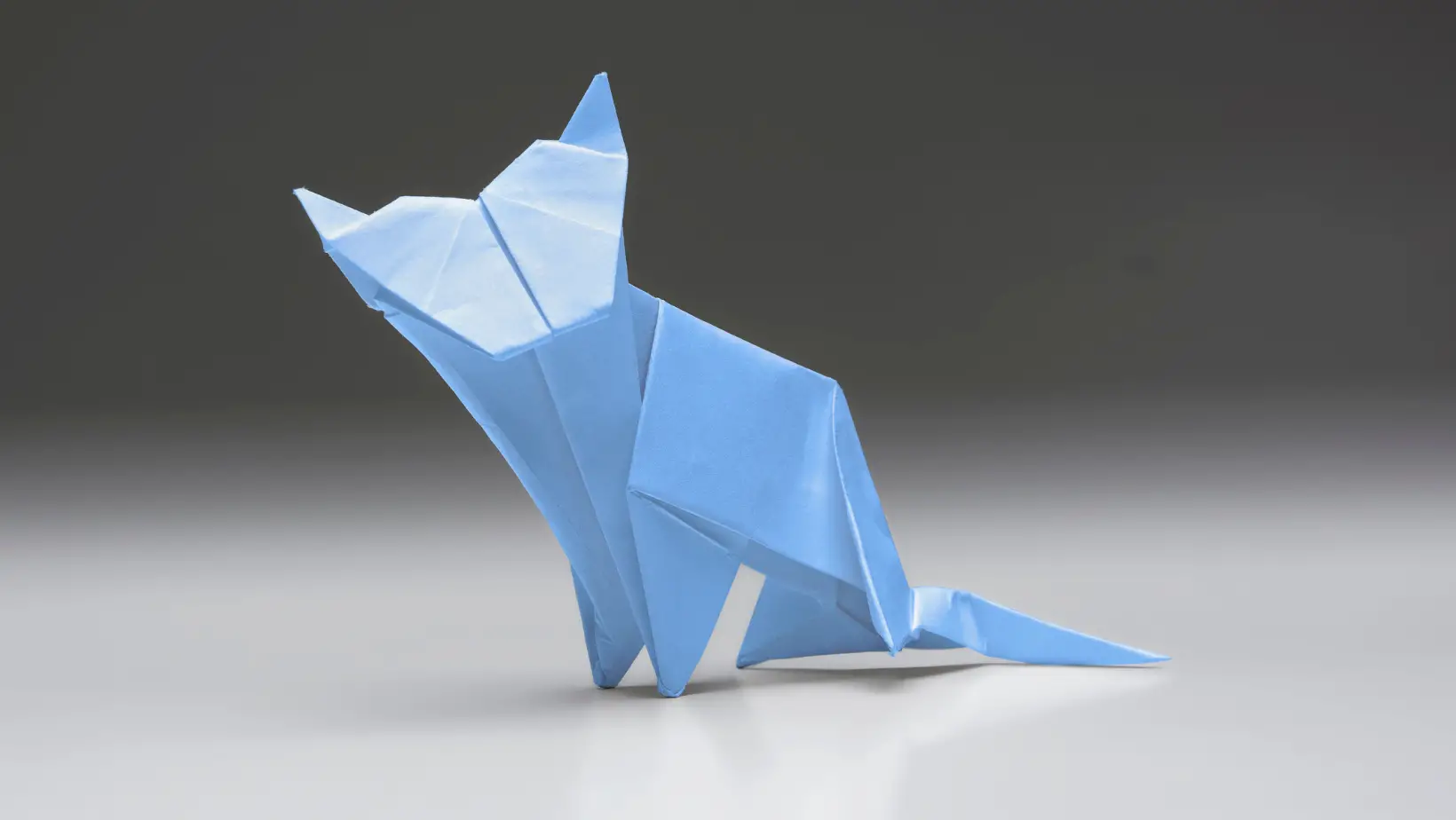
Origami is the traditional Japanese art of paper folding. The word “origami” is derived from the two Japanese words…

If you’ve ever been to Petsmart, you know that they have a wide variety of animals available for adoption….
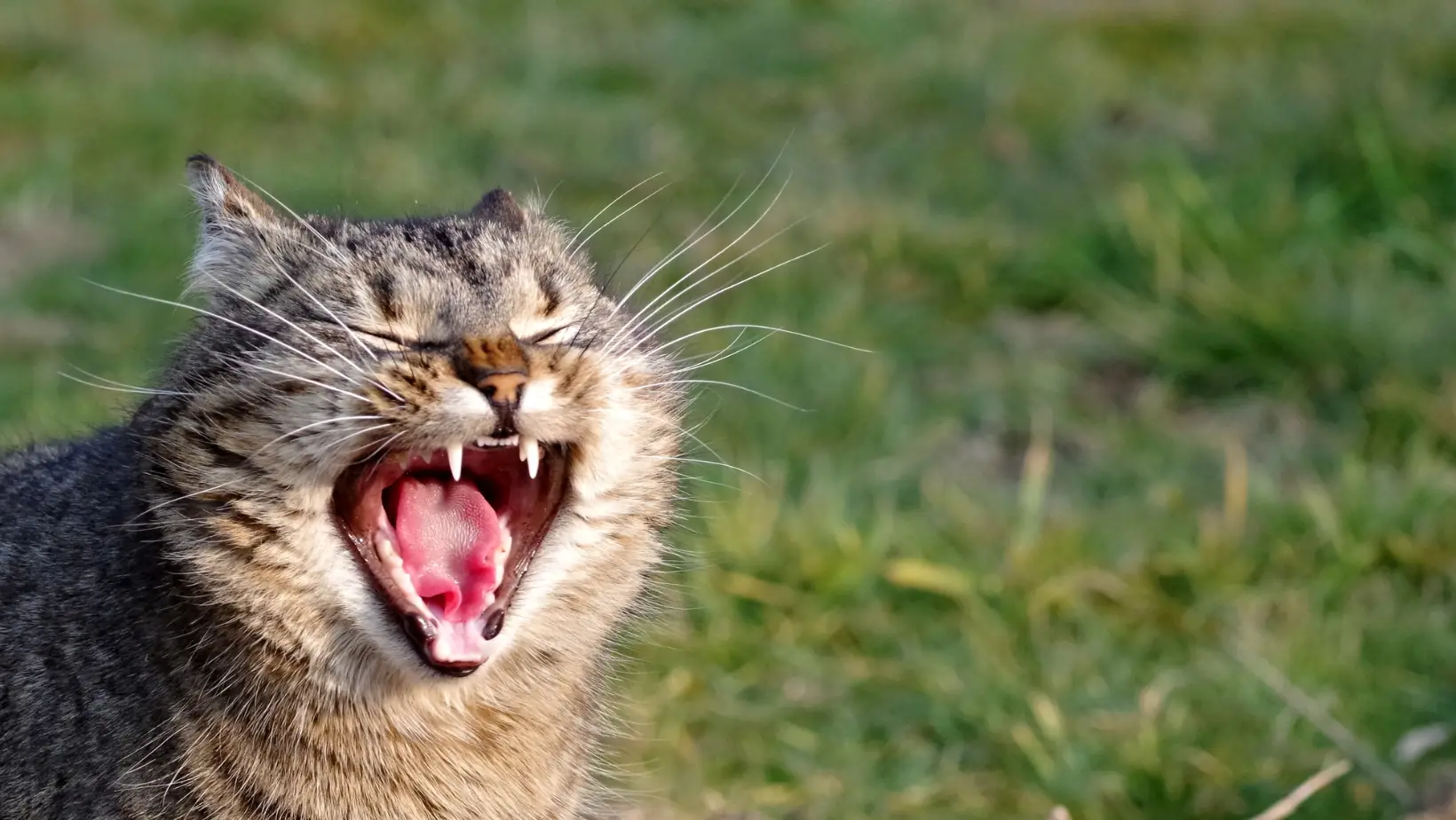
If you’ve ever owned a cat, you know that they can be vocal creatures. But why does my cat…
Didn’t get what you needed?
Simply use the following search box and get what you are looking for
with all the other resources we have for you and your cat.


